Zoology / Field guide
Six ways life
solves the problem.
Every animal is a bundle of tested ideas: a body plan, a sensor array, a survival strategy. Choose a collection and look closer.
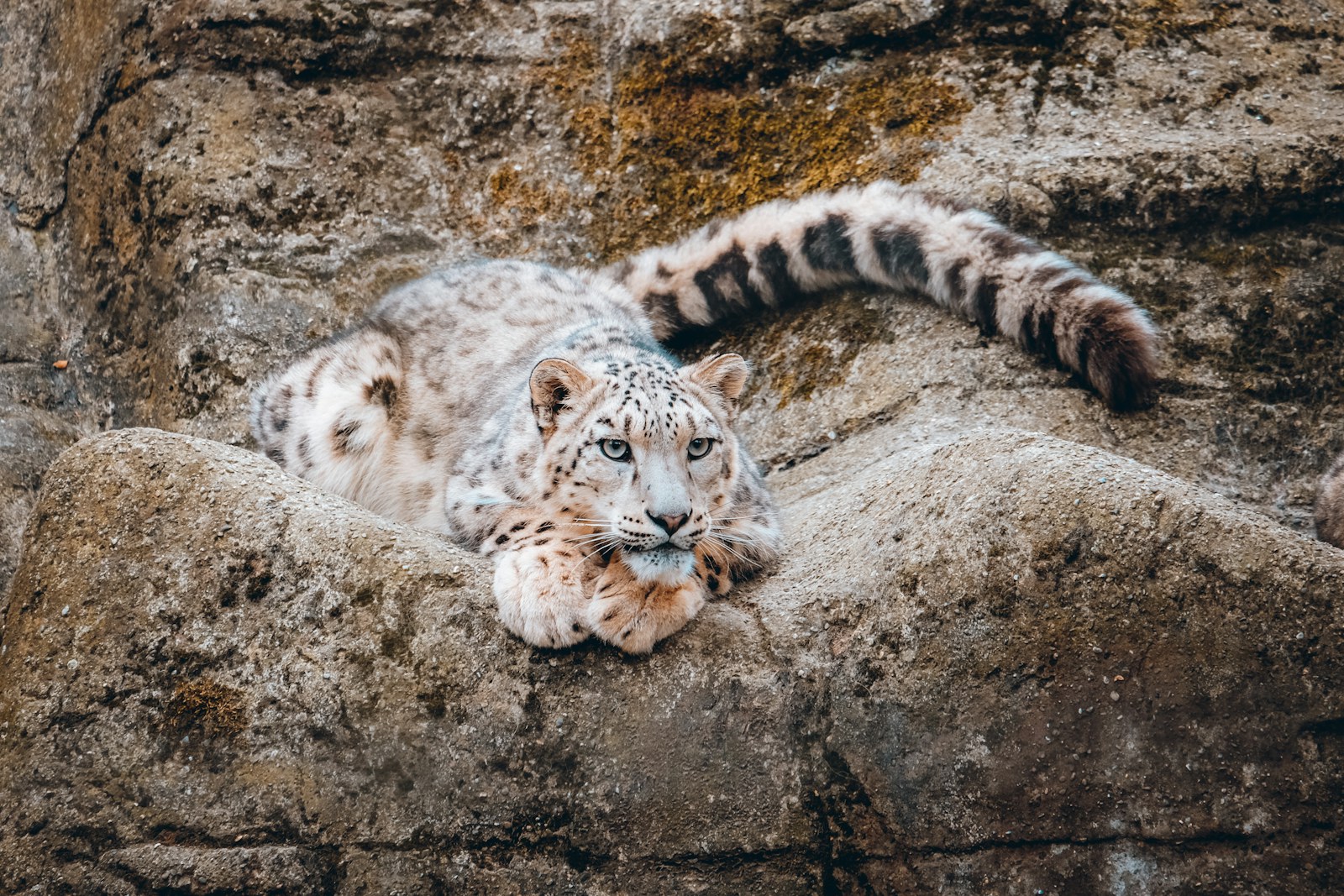
Mammals
From echolocating bats to ocean-spanning whales, mammals pair warm-blooded endurance with flexible behavior and extended care for their young.
Open field notes ↗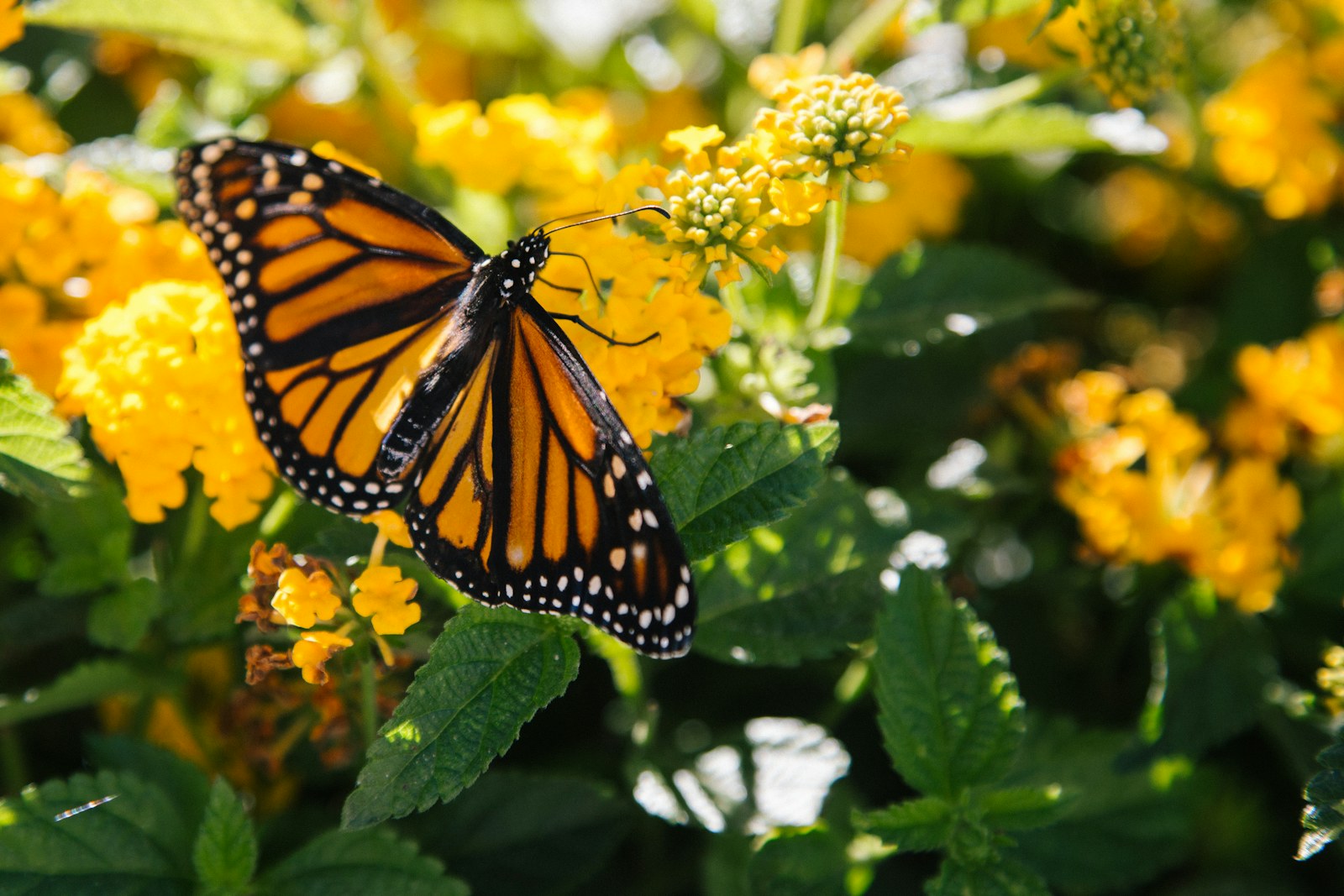
Insects
Six legs, three body regions, and an astonishing range of adaptations have made insects pollinators, engineers, hunters, recyclers, and master mimics.
Open field notes ↗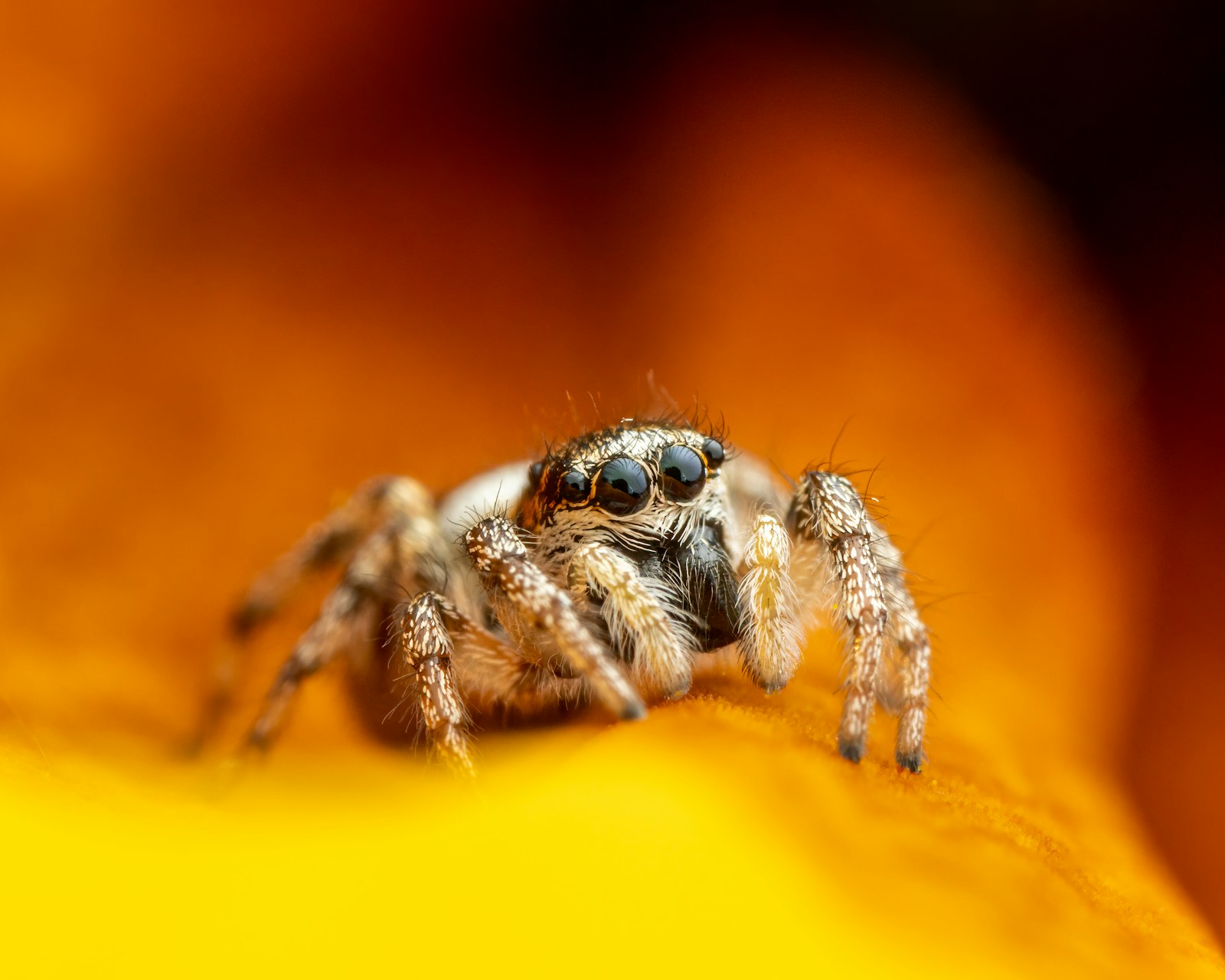
Arachnids
Spiders, scorpions, mites, and their relatives navigate the world through vibration, chemistry, silk, and exquisitely tuned mechanical senses.
Open field notes ↗
Birds
Birds turn lightweight skeletons, efficient lungs, feathers, and brilliant learning into everything from hovering flight to deep-sea pursuit.
Open field notes ↗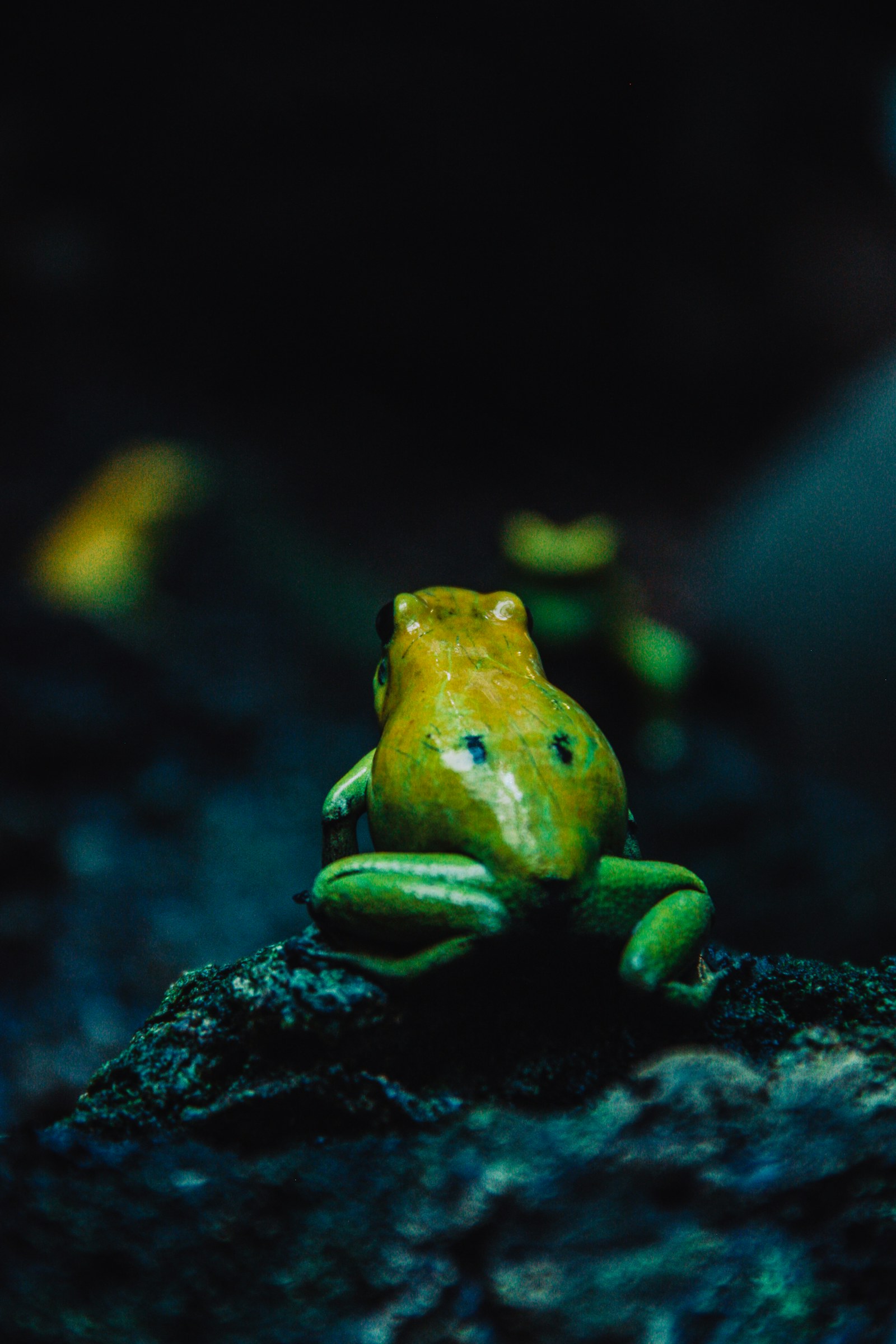
Reptiles + Amphibians
Reptiles conserve water with scales and shelled eggs; amphibians keep a close relationship with moisture, often transforming dramatically as they grow.
Open field notes ↗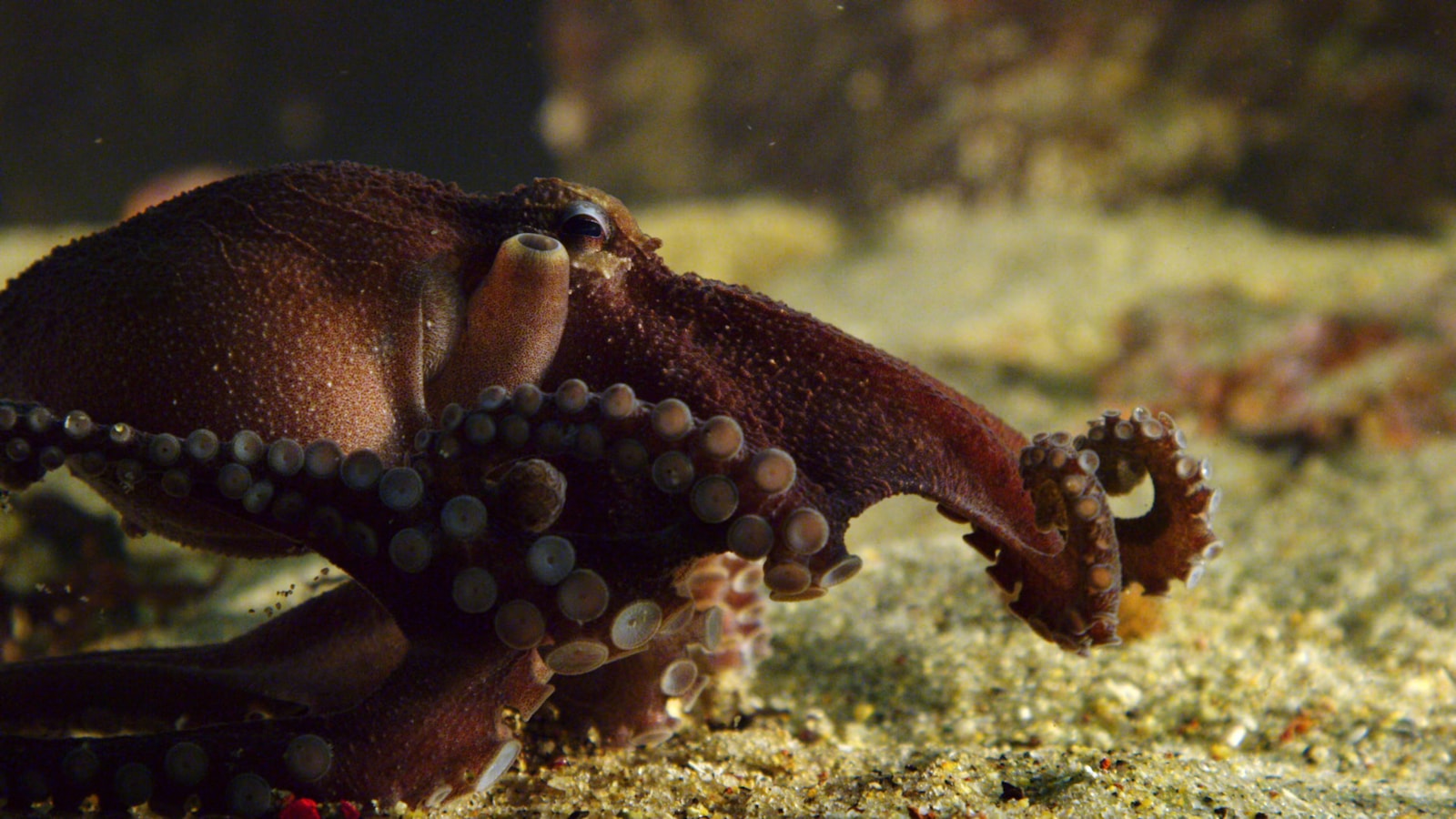
Marine Life
The ocean rewards unfamiliar solutions: distributed nervous systems, pressure-proof bodies, living light, jet propulsion, and senses tuned to a blue world.
Open field notes ↗How I look closer
Start with the adaptation.
Follow it to the system.
- 01What problem does it solve?
- 02What tradeoff does it create?
- 03What new behavior becomes possible?